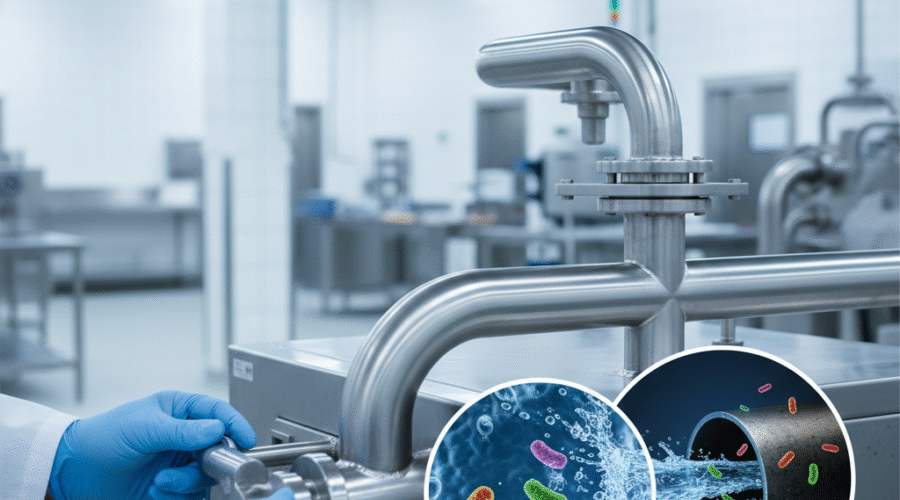
Food safety starts long before production begins. The way equipment is installed inside a processing facility directly affects contamination control, compliance, and product integrity. Improper alignment, poor welding, or hard-to-clean surfaces can create hidden harborage points for bacteria, increasing the risk. Professional food-grade installation ensures machinery meets hygienic design standards, supports sanitation protocols, and reduces cross-contamination threats. In highly regulated environments, precise food processing equipment installation protects both consumers and manufacturers. When installations follow strict sanitary guidelines, facilities operate more safely, inspections run more smoothly, and long-term operational risks are significantly reduced.
Understanding Contamination Risks in Food Processing Facilities
Contamination in food plants often begins with small oversights. Even minor installation errors can create long-term safety issues. In controlled production environments, every surface, joint, and connection must support hygiene standards. When equipment is not installed correctly, contamination risks increase, and regulatory compliance becomes harder to maintain.
Types of contamination include:
- Biological contaminationfrom bacteria, mold, or pathogens that grow in trapped moisture.
- Chemical contaminationcaused by improper material selection or exposure to cleaning agents.
- Physical contamination,such as metal fragments or debris from poor fabrication practices.
Common installation-related causes include:
- Incomplete or rough welds
- Gaps between equipment and flooring
- Poor drainage design
- Limited access for cleaning crews
Addressing these risks at the installation stage protects product safety and operational stability.
What Is Food-Grade Installation?
Food-grade installation refers to setting up processing equipment in a way that supports hygiene, cleanability, and regulatory compliance. It goes beyond simply placing machinery on the production floor. Every weld, joint, fastener, and surface must meet strict sanitary expectations. The goal is to remove areas where bacteria can grow and to make cleaning efficient and reliable.
Proper food-grade installation includes the use of approved materials such as stainless steel that resist corrosion and contamination. Welds must be smooth and continuous, without pits or cracks. Equipment should be positioned to allow full access for washdowns and inspections. Installations must also align with HACCP compliance, FDA requirements, and industry sanitation standards to ensure safe food production.
How Improper Installation Leads to Cross Contamination
Installation mistakes often remain hidden until a safety issue appears. Small gaps, uneven welds, or poor drainage can create environments where bacteria multiply. In food production settings, moisture and organic residue build up quickly. If equipment is not installed under strict food-grade installation standards, these areas become contamination points.
Rough weld seams can trap food particles that cleaning crews cannot reach. Misaligned conveyor systems may cause product buildup along edges. Inadequate sealing around joints allows liquids to collect and stagnate. Over time, these conditions increase the risk of cross-contamination between raw and finished products.
Poor installation also affects airflow and utility connections. Contaminated air or improperly routed lines can spread hazards across processing zones. Addressing these risks during food processing equipment installation is far more effective than correcting them after a failure or recall.
Key Food-Grade Installation Practices That Prevent Contamination
Preventing contamination starts with disciplined installation practices. Every decision during setup should support hygiene, accessibility, and compliance. Strong sanitary equipment installation reduces risk before production even begins.
- Hygienic equipment positioning: Machines must be spaced properly to allow full cleaning access. Tight corners and blocked areas prevent sanitation teams from reaching critical surfaces.
- Sanitary welding and sealing: Welds should be smooth and continuous with no pits, cracks, or overlaps. Clean weld finishes reduce bacteria harborage points and support inspection standards.
- Proper drainage and moisture control: Equipment bases and surrounding floors should support water runoff. Sloped surfaces prevent standing water that can lead to microbial growth.
- Approved material selection: Using corrosion-resistant stainless steel and food-safe components protects against chemical reactions and surface breakdown.
- Compliance verification and documentation: Installation should align with HACCP compliance plans and regulatory inspection requirements. Clear documentation supports audits and ongoing safety monitoring.
Operational and Financial Benefits of Proper Installation
Strong food-grade installation protects more than product safety. It directly supports operational performance and financial stability. When equipment is installed correctly, production lines run smoothly, and sanitation procedures become more efficient.
Proper food processing equipment installation reduces unplanned downtime caused by contamination issues or corrective repairs. It lowers the risk of product recalls, which can damage reputation and create major financial losses. Cleanable layouts also shorten washdown time, improving overall productivity.
Well-installed systems extend equipment lifespan by preventing corrosion, moisture damage, and structural stress. Facilities that meet regulatory expectations face fewer disruptions during inspections. Over time, investing in sanitary installation standards reduces maintenance costs, protects brand credibility, and supports consistent production output.
Why Professional Installation Expertise Matters
Food production environments demand precision. Equipment must function efficiently while meeting strict hygiene standards. Experienced installers understand how fabrication details, material compatibility, and floor layout affect contamination control. Proper alignment, sanitary welding, and secure anchoring all influence long-term performance.
Professional teams also coordinate rigging, structural support, and utility connections without compromising cleanability. This level of expertise reduces installation errors that often lead to safety issues later. Choosing specialists in food processing equipment installation ensures every component supports compliance, sanitation access, and operational reliability. In regulated facilities, technical knowledge during installation is not optional. It is a critical safeguard for product integrity and brand protection.
Protecting Food Safety Through Proper Installation
Contamination risks often begin with seemingly minor installation decisions. Gaps, rough welds, poor drainage, and improper alignment can compromise hygiene and pose long-term safety threats. Strong food-grade installation eliminates these weak points before production starts. It supports sanitation access, regulatory compliance, and consistent operational performance.
Investing in professional food processing equipment installation protects product integrity and reduces the risk of recalls. For food manufacturers focused on safety and efficiency, installation is not just a setup task. It is a critical control measure. Contact JLL FAB at +832-453-0998 to ensure your facility meets strict sanitary and compliance standards from day one.